Two layers, not a single tip
A domestic asphalt drive is normally a compacted stone base, a binder course and a surface course. The surface course is the black layer you see. Its thickness and the size of the stone in the mix change how it looks and how it wears. A quote that says "tarmac" and a depth, without saying which course, is hard to compare with a quote that itemises both courses.
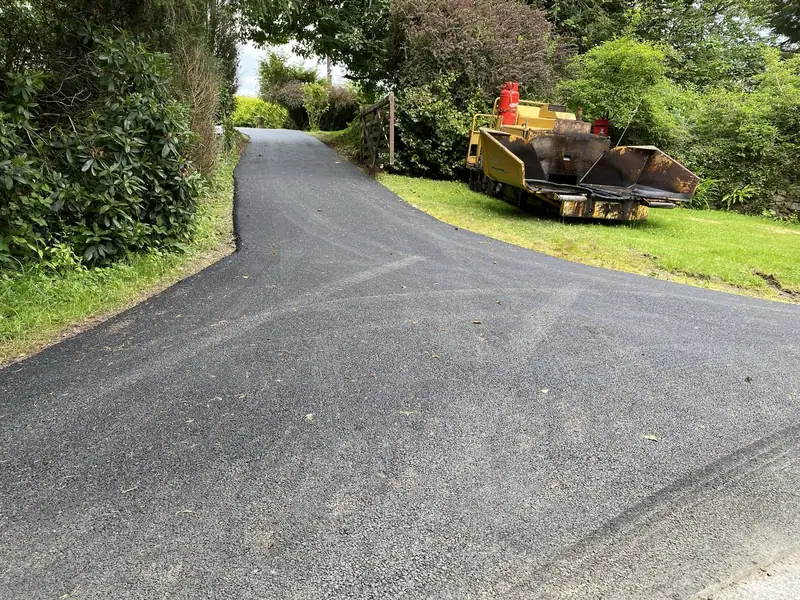
The photograph above is a tarmac driveway near Cwmdu in Carmarthenshire. It is not a drive this website has had laid.
Hot asphalt has to arrive hot. That means a gang and a roller, and enough area to make the visit worthwhile. A very small path can be dearer per square metre than a full front garden because the plant cost barely changes. On a long side drive, the opposite is often true: asphalt covers ground faster than blocks.
Edges and the join with the road
Asphalt creeps if the edges are not held. A concrete kerb, a pin kerb or a block border is the usual restraint. Where the drive meets a garage slab, the joint needs a clean line or the asphalt frays. Manhole covers are raised or masked so the roller can pass.
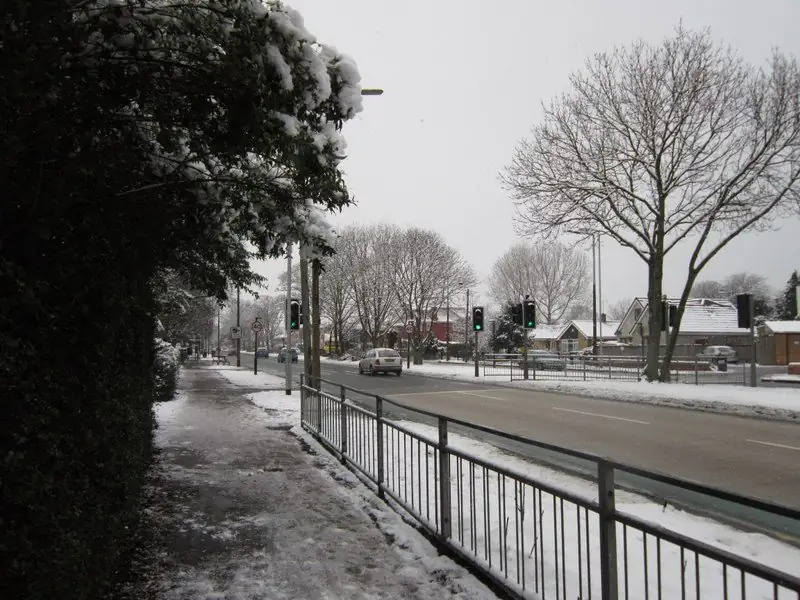
Inside Hull, the council's dropped-kerb page says crossings are usually constructed in tarmac, and that other materials are approved only when they suit the street. So the public part of many Hull jobs is asphalt even when the private garden is block or resin. The two surfaces should be priced separately. The crossing needs the council's approval and an approved contractor. Details are on the dropped kerbs page.
Willerby is not in Hull. Kingston Road is in the East Riding, and East Riding of Yorkshire Council says a dropped kerb for vehicle access may need planning permission. Do not use Hull's approved-contractor list for a Willerby footway.
Water on a sealed surface
Asphalt is a sealed surface. Rain runs off it. On a flat frontage that fall has to be designed, usually away from the house toward a border or a channel. The Planning Portal rule for front gardens applies: more than five square metres that does not drain within the boundary can need planning permission. Asphalt will not satisfy that rule by itself. The design has to show where the water goes.
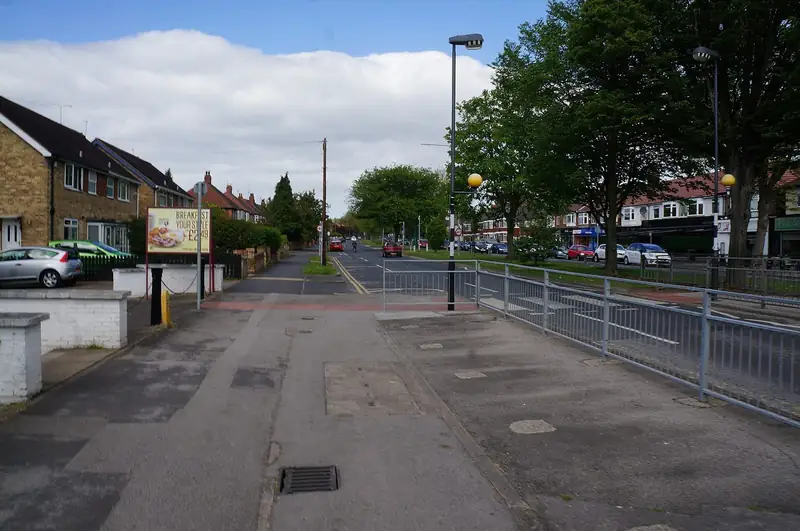
Holderness Road is a busier corridor than a cul-de-sac. A new access onto a classified road can need planning permission as well as a crossing approval. Hull's dropped-kerb information says classified roads are in that category. Check the road, not the postcode.
When tarmac is the wrong surface
Short, formal front gardens in conservation areas often look better in blocks or bound gravel, and some of those streets need permission for a hard surface anyway. Asphalt is a blunt tool in a garden with several levels: it does not turn a corner as neatly as blocks, and a steep slope can make hot asphalt hard to hold while it is compacted. A professional should say if the fall is too steep for a simple overlay.
Patches in old asphalt can be done, but a patch on a failed base fails again. If the existing drive has ruts, the conversation should start with the base.
Questions about tarmac in Hull
How soon can a car use it?
The gang will give a time. It is shorter than waiting for concrete to cure, and longer than "as soon as they leave" if the day was cold. Get the instruction in writing with the quote.
Will it soften in summer?
A correctly specified surface course is made for vehicles. A very thin layer, or a driveway laid with a footpath mix, marks more easily. That is another reason to ask for the mix, not just the colour black.
Can this website book the roller?
No. Hull Driveways does not employ asphalt gangs. The quote form is how you ask local professionals to price the job.
Sources: Hull City Council dropped kerbs; East Riding of Yorkshire Council: road and footpath maintenance; Planning Portal: paving your front garden.